










Player guide
Inside Obby: Tower of Hell 2
Explore the objective, key challenges, screenshots, and practical tips before your next run.
See the game in action
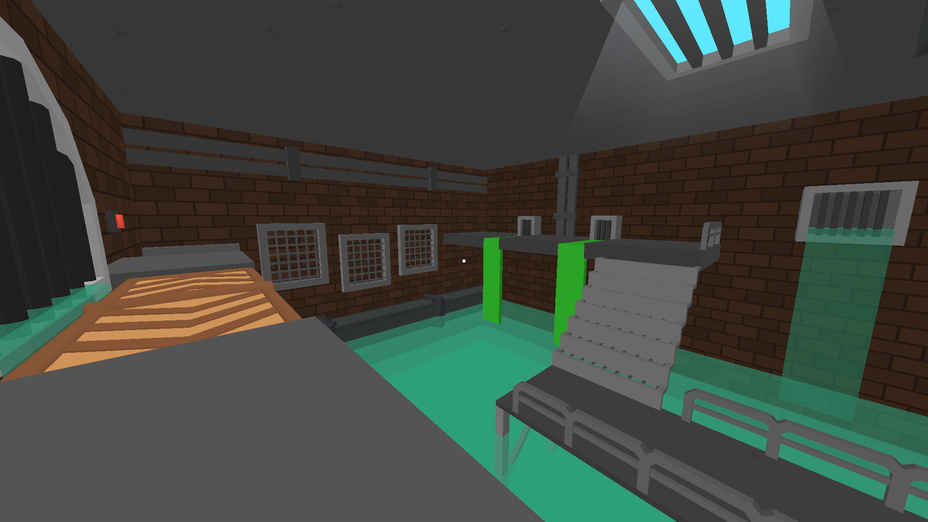
Start Playing Obby: Tower of Hell 2 With a Clear Plan
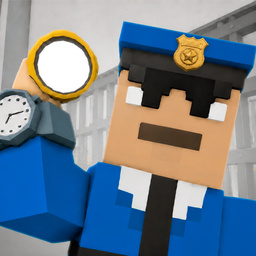
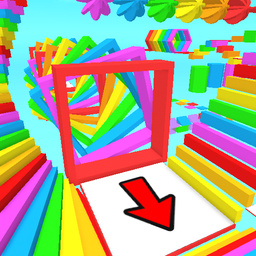
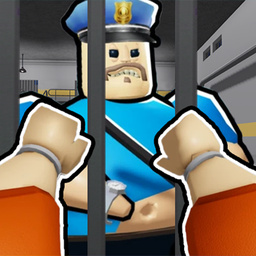
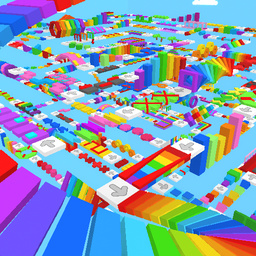
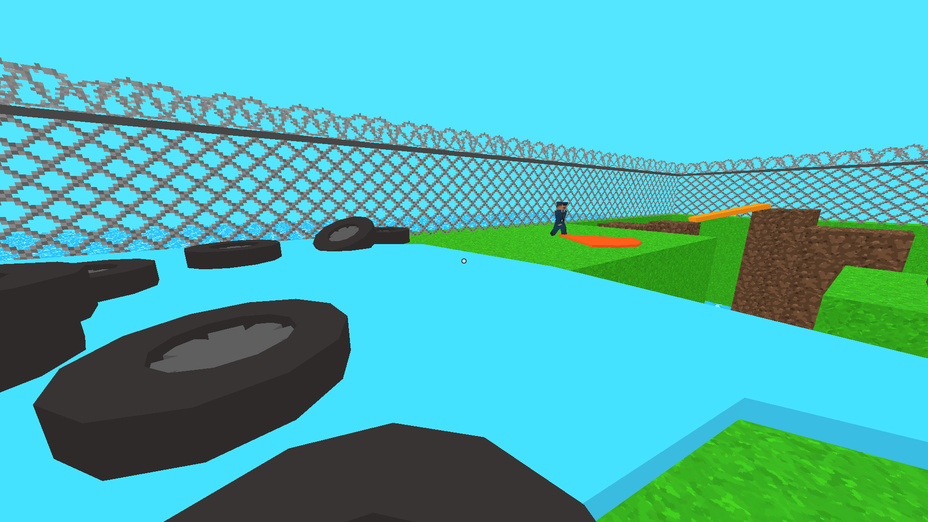
Obby: Tower of Hell 2 continues the prison escape theme with new traps, vertical routes, and parkour sections. Players move through a Minecraft-like 3D setting while looking for the safest way out. Each obstacle asks for a different response, from patient platform movement to quick jumps past hazards. Failed attempts return the player to an earlier point, making observation useful on the next run. The sequel is aimed at fans of Roblox-style tower challenges who want a clear escape goal and changing level designs.
Obby: Tower of Hell 2 is presented as a Arcade browser game with a specific central task: shape the world, test objects, and create personal goals. That direct purpose helps a new player understand what matters before progress becomes more demanding. The experience does not depend on a long explanation or a complicated story. Its identity comes from the actions performed during play, the way the environment responds, and the choices that affect the next attempt. Players who study those details can improve through knowledge rather than random repetition.
The defining difficulty is turning available tools and materials into a useful plan. A quick action can work in an easy area, yet the same choice may cause a mistake when the route, opponent, or reward changes. This gives the game a useful learning curve. Early attempts introduce the basic rhythm. Later attempts ask the player to notice smaller differences, prepare earlier, and avoid repeating an approach that no longer fits the situation. The result is a challenge that remains understandable while still leaving room for skill.
Why Careful Choices Matter During Every Round
Each attempt begins with a chance to read the immediate situation. The player can identify the next useful target, notice where danger is likely to appear, and decide how much risk is reasonable. From there, the main loop develops through shape the world, test objects, and create personal goals. Success moves the session toward larger projects, better equipment, and more ambitious experiments. A failed attempt still shows which decision, route, or timing choice needs to change.
Good results usually come from separating the task into short decisions. The current obstacle or target deserves attention before the player thinks about the final reward. Once that part is handled, the next safe action becomes easier to see. This method is especially helpful when the screen becomes busy. It limits sudden corrections and keeps the player focused on information that can change the outcome. The approach also supports younger players because one clear decision is easier to understand than an entire level at once.
The pace should match the problem on screen. Faster movement may shorten an easy section, but speed has little value when the next area has not been read. A slower moment can reveal a safer line, a useful item, or an opponent that would otherwise be missed. The strongest rhythm is therefore flexible. It becomes quick when the route is clear and measured when uncertainty rises. That change of pace is part of the skill rather than a delay.
How Level Design Guides the Player Forward
The environment provides most of the information needed to make progress. Open space may allow several approaches, while narrow areas reduce the number of safe choices. Moving hazards, rival characters, valuable objects, height changes, or blocked paths can alter the best plan. The player should look beyond the nearest target whenever the game allows it. Seeing what follows gives more time to prepare and reduces the need for a sharp correction after a commitment has already been made.
Repeated areas should become easier to read, but familiarity should not replace attention. A route that worked before can feel different when speed, equipment, opponents, or rewards have changed. The useful lesson is the reason a choice worked. A wide landing, protected path, early turn, or short return route can remain valuable even when the surrounding details change. Learning these relationships builds knowledge that carries into later sections without relying on memorization alone.
How Small Improvements Support Better Results
Progress is most useful when it solves a problem that appears often. An improvement that supports larger projects, better equipment, and more ambitious experiments can change several later attempts, while a cosmetic choice may only change appearance. Neither option is automatically wrong. The better choice depends on the current goal. Players who are still learning may benefit from practical growth first. Those who already handle the main challenge may prefer collection goals or visual rewards. Clear priorities prevent resources from being spread across options that provide little immediate help.
Before using a reward, it helps to identify the obstacle responsible for recent failures. If the problem comes from poor timing, another upgrade may not correct it. If the current ability cannot reach, survive, or complete a required task, practical progress may be necessary. This distinction keeps the improvement system connected to real play. It also makes rewards easier to understand because every purchase, unlock, or collected item can be judged by the change it creates during the next session.
How to Follow the Objective Step by Step
Begin by identifying the immediate objective and the condition that ends the attempt. Watch one safe example of the main interaction before trying to move quickly. Continue by completing the closest useful task, then pause long enough to read the next area. Keep rewards or upgrades tied to problems that have appeared during play. When a mistake occurs, change one decision on the next attempt instead of changing everything at once. This simple process turns early failures into clear lessons.
New players should give themselves time to learn how the game communicates danger and success. The first session is useful for finding the main route, seeing how rewards are earned, and understanding what can interrupt progress. Later sessions can focus on efficiency. This order avoids unnecessary confusion. It also creates a fair way to judge improvement because the player is comparing informed attempts rather than reacting to unfamiliar events with no plan.
Three Tips for Reading Difficult Situations
Study the next problem before committing
Look beyond the closest object or platform and identify what must happen immediately afterward. A safe first action can still lead into a poor position. Planning two short steps instead of one gives the player more room to respond and supports observation, planning, and creative problem solving.
Connect upgrades to a repeated difficulty
Use progress on a weakness that has affected several attempts. If the same distance, threat, or collection limit keeps stopping the run, an improvement may have clear value. If mistakes come from rushed choices, practice may help more than spending.
Protect progress when the reward becomes valuable
As an attempt improves, unnecessary risk becomes more expensive. Choose the safer return, landing, position, or route when it protects a meaningful result. Extra speed is useful only when the player can still read the next decision and keep control of the situation.
What Players Should Know Before the First Attempt
What kind of game is Obby: Tower of Hell 2?
It is a Arcade browser title centered on shape the world, test objects, and create personal goals. Its most important skills are observation, planning, and creative problem solving. The exact balance changes as progress opens harder situations, but the central objective remains clear enough for a new player to follow.
Does progress depend only on fast reactions?
No. Reaction time can help, yet observation and planning often prevent the difficult moment from becoming an emergency. A player who reads the route, understands the reward system, and recognizes repeated danger can make progress without treating every section as a race.
Who is likely to enjoy this game?
The game suits players who enjoy sandbox challenges, visible improvement, and short decisions that build toward a larger objective. It can also appeal to players who prefer learning through repeated attempts because each result provides information for the next run.
Obby: Tower of Hell 2 Gameplay Summary and Source Notes
| Gameplay focus | Obby: Tower of… |
|---|---|
| Main objective | Players move through… |
| Key challenge | Each obstacle asks… |
MDN describes WebGL as supporting “high-performance interactive 3D and 2D graphics.”
Web3D Survey: WebGL 97.77%, WebGL 2 97.9%, and WebGPU 83.11% (reviewed October 24, 2026). These are platform-support figures, not game traffic.